Davos 2026: On-the-Ground Report | As U.S.–Europe Tensions Rise and the Global Order Shifts, What Should We Rethink?
Not just another elite party, but a collective recalibration of the real-world order By | BIBS Insights Zefeng Fu (Jason)
⸻
01 | Opening: Davos Feels Different This Year
The Alps were still blanketed in snow in January, but the air inside Davos felt colder—and heavier—than in previous years.
As AI shifts from a "future topic" into an infrastructure race, and globalization moves from expansion into a phase of "renegotiating terms," what truly sent a chill down attendees' spines was the unspoken implication that lasted all week: Is the United States still willing to be a guardian of the rules—rather than treating the rules as bargaining chips?
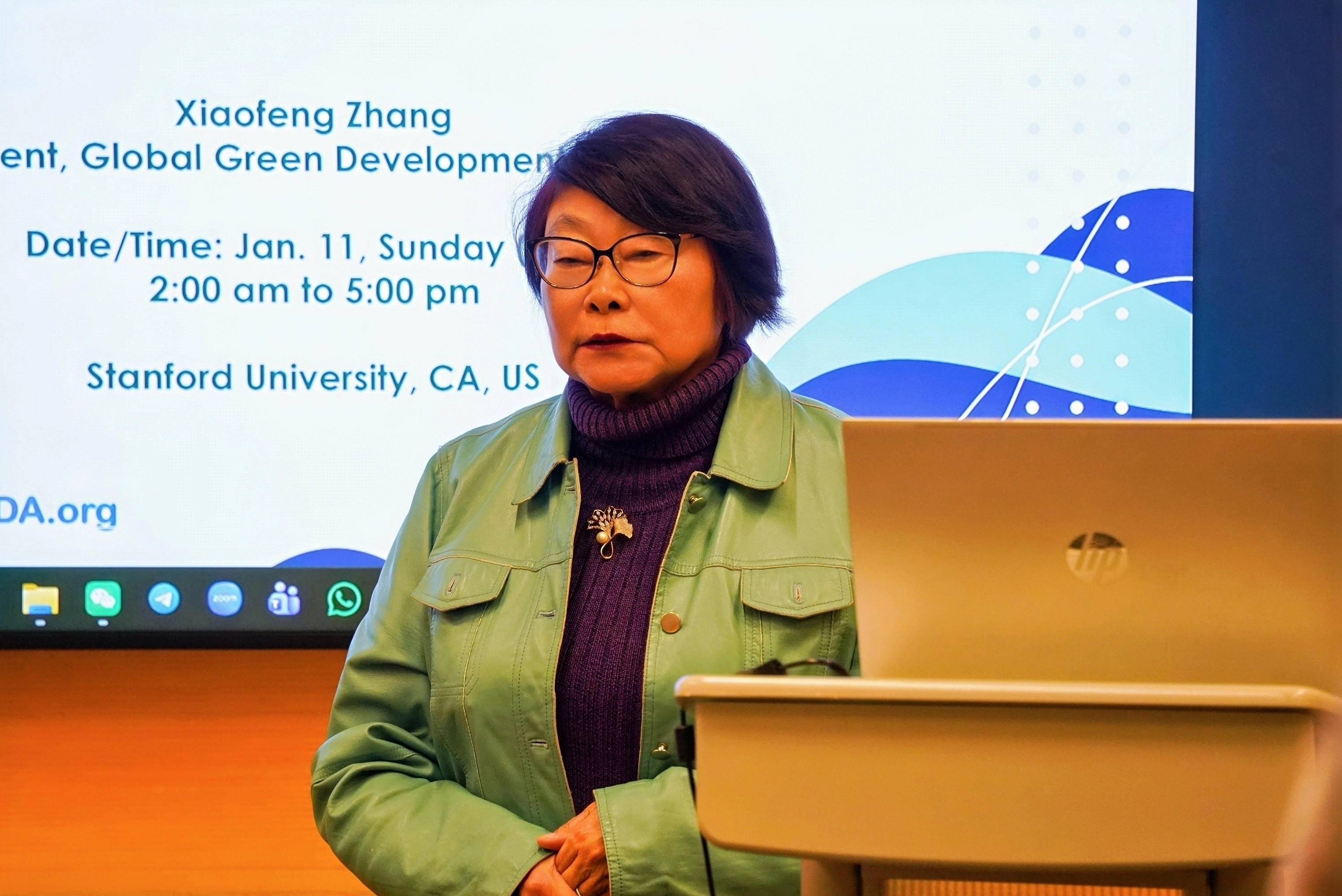
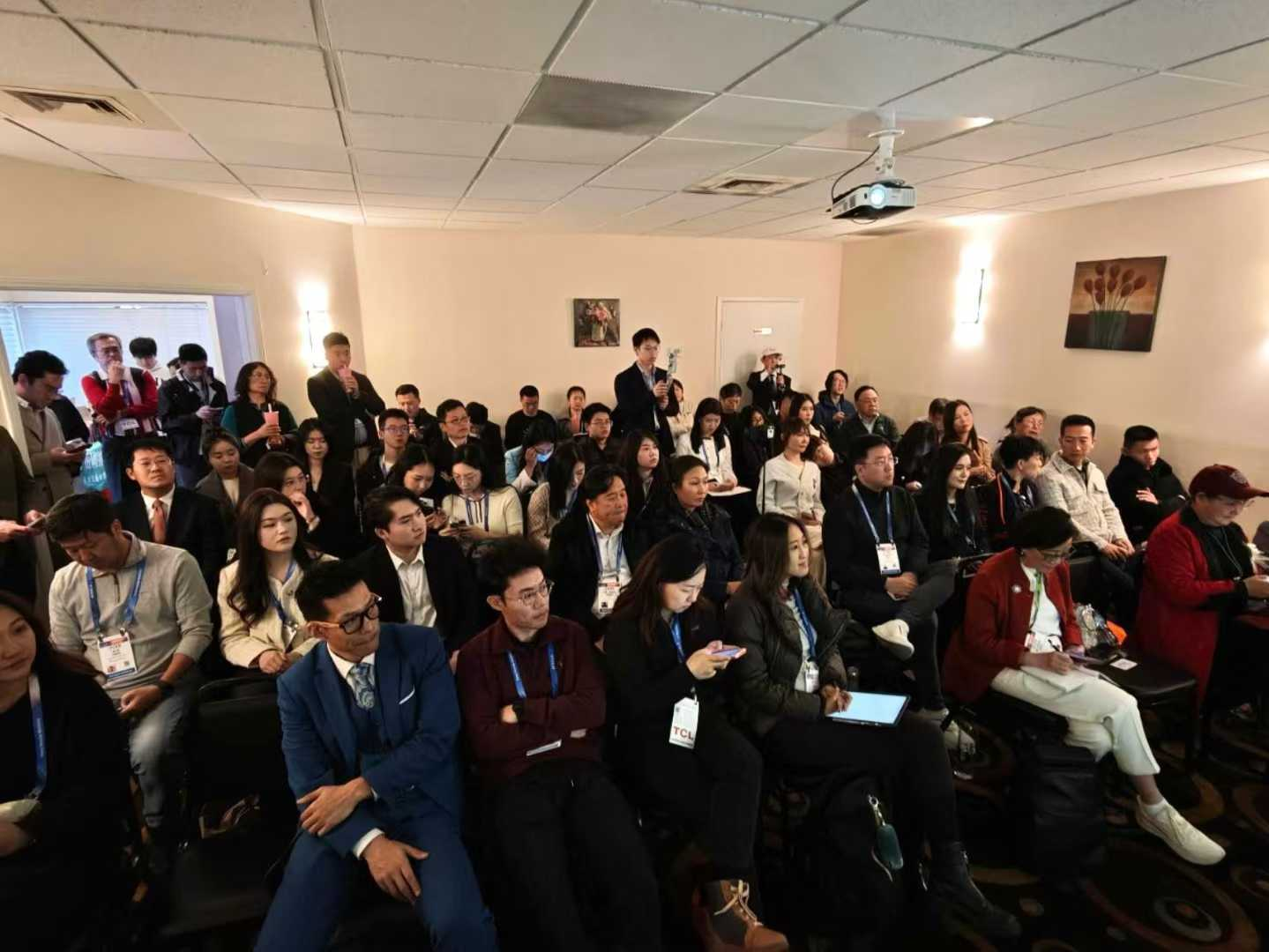
Professor Gloria Rong (Prof. Gloria Rong), Co-Founder and Executive President of Boston International Business School (BIBS), led a delegation to the 2026 Davos Economic Forum in Switzerland and hosted a five-day World Leaders Forum – Davos Economic Week. She concluded:
"This wasn't an optimistic discussion about the future—it was an emergency stress test of the existing order."
Below are five key signals we distilled from five days of high-intensity sessions. They are not only about geopolitics—they will also reshape corporate strategy, investment logic, and individual career paths.
This article provides only a high-level summary of key information. BIBS Insights will publish deeper analyses of Davos speeches and discussions in the future—follow us for more front-line business intelligence.
⸻
02 | Signal One: The Western Alliance Is Shifting From a "Community of Values" Toward Transactional Relationships
🔸 What happened on the ground?
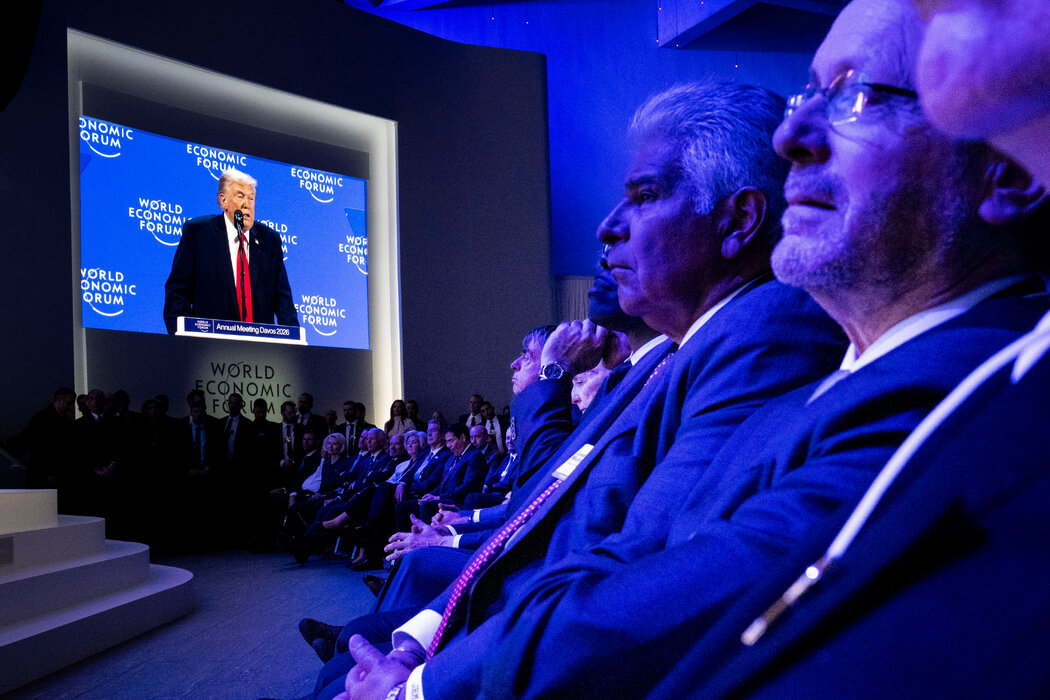
On January 22, U.S. President Trump delivered a speech at Davos that lasted more than an hour. Compared with the applause or public pushback common in past appearances at similar events, the overall reaction was restrained, and the mood cautious.
Multiple media outlets noted that some European leaders left quickly after the speech and held private conversations with U.S. representatives, voicing concerns about the stability and predictability of the current U.S. policy stance.
In the speech, Trump criticized Europe's policy direction and signaled a tougher position on Greenland, NATO burden-sharing, and tariffs. Hours later, he said that an "initial framework-level understanding" had been reached with NATO regarding Greenland, softening his tone.
Some European officials privately described the day's atmosphere by saying: "There is clear uncertainty within Europe about where policy is headed."
🔸 A shift in perception: Three dimensions are being reassessed
From a policy-interpretation perspective, these remarks were not an isolated incident. They reinforced a broader judgment that U.S. foreign policy logic is changing, and that some traditional institutional commitments are being redefined. The core characteristics can be summarized across three dimensions:
Repricing dimension Old logic New reality Security commitments NATO centered on collective defense and shared responsibility Security support is more tightly linked to financial or political contributions Economic relations Emphasis on rules-based multilateral trade Tariffs and trade restrictions are used more frequently as policy tools Strategic expectations The U.S. viewed as a long-term, stable strategic anchor Policy continuity and predictability decline; additional risk must be priced in
Within this framework, decision-makers and market participants increasingly evaluate three questions: • How far can policy realistically go? • What triggers a reversal or adjustment? • What real costs must each side bear?
💡 As transatlantic relations move from a foundation of values and institutions toward increasingly explicit transactional considerations, the global political-economic environment may enter a phase of higher uncertainty and greater friction costs. For governments and businesses, this means strategic planning must more systematically incorporate policy volatility and institutional risk.
⸻
03 | Signal Two: The AI Race Has Entered an "Infrastructure Phase" — The Deciding Factor Is No Longer Models, but Systems Engineering
Professor Rong observed on site: this year's Davos AI discussions have shifted from "which model is stronger" to "who bears the costs, and who captures the gains."
🔸 Four infrastructure dimensions determine competitiveness: • Compute and energy: Who controls green power? Who can absorb hundred-billion–level electricity costs? • Data and compliance: The "legal pathways" for cross-border data flows are becoming scarce resources • Organizational redesign: Can AI be embedded into business workflows rather than remaining a PPT demo? • Distribution mechanisms: If efficiency dividends are not socially acceptable, regulatory backlash will follow
🔹 Leader snapshot | Elon Musk: AI expansion is constrained first by energy and the power grid
Elon Musk pointed to "infrastructure, not algorithms" as the core constraint in the AI race. He noted that AI chips and compute capacity are growing at exponential speed, but electricity supply and grid expansion are progressing much more slowly—already becoming a key factor limiting data-center training and deployment efficiency. Musk also mentioned that tariffs and trade barriers on renewables such as solar power have raised the cost of accessing electricity, increasing the marginal cost of AI expansion at a system level.
🔹 Leader snapshot | Jensen Huang (NVIDIA): AI is triggering the largest infrastructure buildout in history
NVIDIA CEO Jensen Huang said AI is no longer a series of point breakthroughs—it is driving "the largest infrastructure construction cycle in history." He noted that while global companies have already invested hundreds of billions of dollars in data centers, chips, and cloud platforms, trillions more in infrastructure still need to be built over the long term.
Huang emphasized that real economic value will appear at the application layer above the models—but only if underlying compute, data centers, and energy systems can keep expanding. He also warned that if Europe hopes to compete in this AI cycle, it must take power supply and energy structure far more seriously; otherwise, it will be difficult to sustain a domestic AI ecosystem.
🔹 Leader snapshot | Satya Nadella: If AI consumes scarce resources without creating public value, it will lose its "social license"
Microsoft CEO Satya Nadella framed "social acceptance" as the key constraint in AI competition. He argued that AI systems' heavy consumption of scarce resources such as electricity can earn durable public and policy support only if it clearly improves healthcare, education, public governance, and overall productivity; otherwise, AI may quickly lose the "social license" required to continue scaling.
Nadella emphasized that AI has shifted from an experimental technology to a foundational capability at the societal and national level. The central challenge is not only technical feasibility, but whether benefits can be widely felt and fairly distributed. In this sense, AI's legitimacy will increasingly depend on real-world outcomes, not compute scale alone.
💡 Key judgment: AI competition is shifting from "model capability" to "infrastructure and governance capability" (compute, energy, data compliance, and organizational implementation). For companies and individuals alike, understanding system constraints and execution pathways matters more than chasing the newest model.
⸻
04 | Signal Three: Female Leadership Is Upgrading From a "Moral Topic" to a "Governance Variable"
One of the most underestimated trends at Davos this year: the presence of female leadership rose markedly.
Professor Rong joined BIBS Professor Jing Zhao in the World Woman Davos Agenda and held dialogues on female leadership with many global women leaders, including Middle Eastern royalty, Fortune 500 CEOs, and Canada's former prime minister Justin Trudeau.
🔸 From "political correctness" to "governance effectiveness"
Against a backdrop of intensified geopolitical conflict and deepening social fragmentation, female leadership is being reevaluated as: • A key variable for de-escalation and long-term stability • A more resilient negotiation-oriented governance style in high-uncertainty environments • A bridging force connecting government, capital, and civil society
Professor Zhao noted that one highlight of the trip was the discussion on women's roles in politics and foreign policy. After meeting many women leaders, she emphasized that women leaders must be confident—turning power into execution, and speaking through results.
Professor Zhao is a long-standing leader in global public affairs and business, and an international advocate on sustainability, global governance, and women's leadership. She has worked across U.S.–China and multilateral institutional contexts, promoting cross-cultural dialogue and cross-sector collaboration, and has been deeply involved in agendas related to the United Nations Sustainable Development Goals (SDGs). In recent years, she has continued to push for substantive participation of women in public governance, corporate decision-making, and global issues through international forums, policy dialogues, and multi-stakeholder platforms—emphasizing the institutional value of women's leadership within complex governance systems, beyond symbolic significance. She is also actively collaborating with the United Nations to prepare for the UN Commission on the Status of Women in New York in March. BIBS will conduct related activities during the session to advance women's leadership development.
💡 Insight: When the world needs "connection" rather than "conquest," female leadership is moving from the margins to the center. This is not simply "political correctness"—it reflects societal recognition of the strength women have demonstrated through sustained effort. In the near future, we may see more and more women leaders active at the highest levels of politics and business.
⸻
05 | Signal Four: The Longevity Science Revolution — From "Living Longer" to "Living Better," the Health Frontline Is Moving Upstream
This year's Davos discussions on longevity completed a critical shift: no longer asking "how old can we live," but focusing on "how many years we can live alert, independent, and with minimal pain or illness."
Professor Rong observed that many conversations moved beyond the grand narrative of "extending lifespan" and turned to more concrete, actionable health practices: how to extend healthspan, how to "intercept" chronic disease before it forms, and how to use data tools to turn health management into a daily system. This shift strongly aligned with WEF 2026's emphasis on preventive medicine—repeatedly described as "long neglected and underused," yet potentially the most effective path to healthier longevity.
🔸 Four key upgrades in understanding
Old paradigm New reality Business & personal implications Treatment-first"Intervene after illness appears" Prevention-firstRisk screening → early intervention → behavior support Healthcare resources must move into communities and home settings; health products must embed into daily life flows LifespanChasing bigger numbers HealthspanChasing high-quality years Health evaluation shifts from "survival rate" to "functional maintenance": clarity of cognition, independent mobility, manageable pain Occasional checkupsOne snapshot per year Continuous managementAt-home monitoring + digital health closed loop High-frequency measurement → real-time feedback → personalized intervention, making "knowing but not acting" a thing of the past Body-centeredFocus on cardiovascular organs Rise of brain healthPreventing cognitive decline becomes central Metabolism, inflammation, sleep and other modifiable factors become core to brain-health pathways; longevity becomes dual-track: body + cognition
🔸 Why this shift matters
While most global healthcare systems still operate under a "treat after symptoms appear" model, the signal Davos delivered is: preventive medicine is not a cost—it's leverage. Every $1 invested in early intervention may save $10 in late-stage treatment. More importantly, it protects quality of life itself.
💡 One-sentence insight: The true breakout point of the longevity economy is not "extending the last five years," but "extending the middle thirty years." When health management moves from hospitals to homes, from occasional to continuous, and from body to brain, we truly enter the era of living well.
⸻
06 | Back to Education: How Does BIBS's "Five-Carriage Model" Respond to the Times?
Based on Davos observations, Professor Rong once again emphasized BIBS's future-oriented "Five-Carriage" business education philosophy: 1. Engineering & AI literacy — technology is the foundation 2. Business management — efficiency is the engine 3. Investment & resource allocation — capital is leverage 4. Personal productivity systems — individuals are nodes 5. Social responsibility & gratitude — values are the long-term stabilizer
"Efficiency without values will lose momentum under social pressure; management without a technological foundation will distort in the AI era." — Professor Gloria Rong, on site at Davos
⸻
Closing | In an Era of Repricing the Order, How Do We Position Ourselves?
The clearest signal Davos 2026 delivered: the "default settings" of the old order are disappearing—whether in alliances, technology dividends, or institutional stability.
But this does not mean pessimism. On the contrary, when the "certainty premium" disappears, real opportunity will belong to those who can: • Identify structural variables amid ambiguity • Build adjustable strategies amid volatility • Weave cross-domain networks from fragments
The world no longer rewards "accurate prediction," but "agile adaptation." This is the ultimate question Davos 2026 leaves to every business decision-maker.
⸻
📌 Further Reflection • Has your organization built hedging mechanisms for "institutional uncertainty"? • Are you building a three-dimensional capability set of "technology + capital + values"?
⸻
This article is based on on-site observations from the BIBS World Speakers Series – Davos Economic Week special event.
Boston International Business School — cultivating leaders who create certain value in uncertain times.
🔗 Follow us for more insights from the front lines of global business
#Davos2026 #Geopolitics #AIInfrastructure #WomenLeadership #LongevityEconomy