From the Edge of Bankruptcy to a Hundred-Billion Bet
The Survival Rules of Chemical Industry Leader Song Zhiping
In China’s northeastern province of Jilin, one entrepreneur has spent three decades building a business in an industry many still regard as inhospitable—capital-intensive, high-risk, and traditionally male-dominated. The title often used to describe her, “the Chemical Industry Queen,” was not inherited or conferred lightly. It was earned through persistence, technical immersion, and repeated encounters with failure.
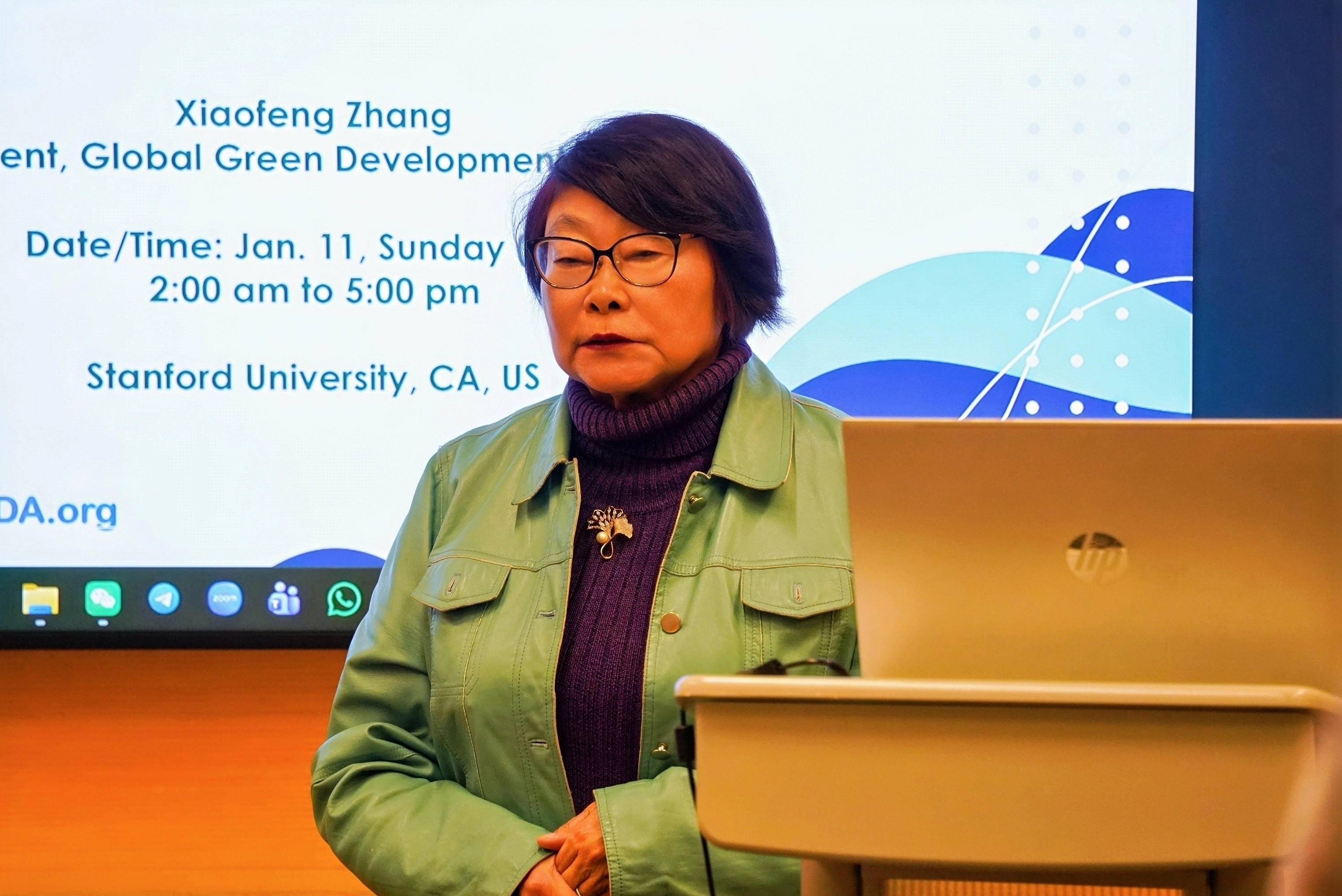
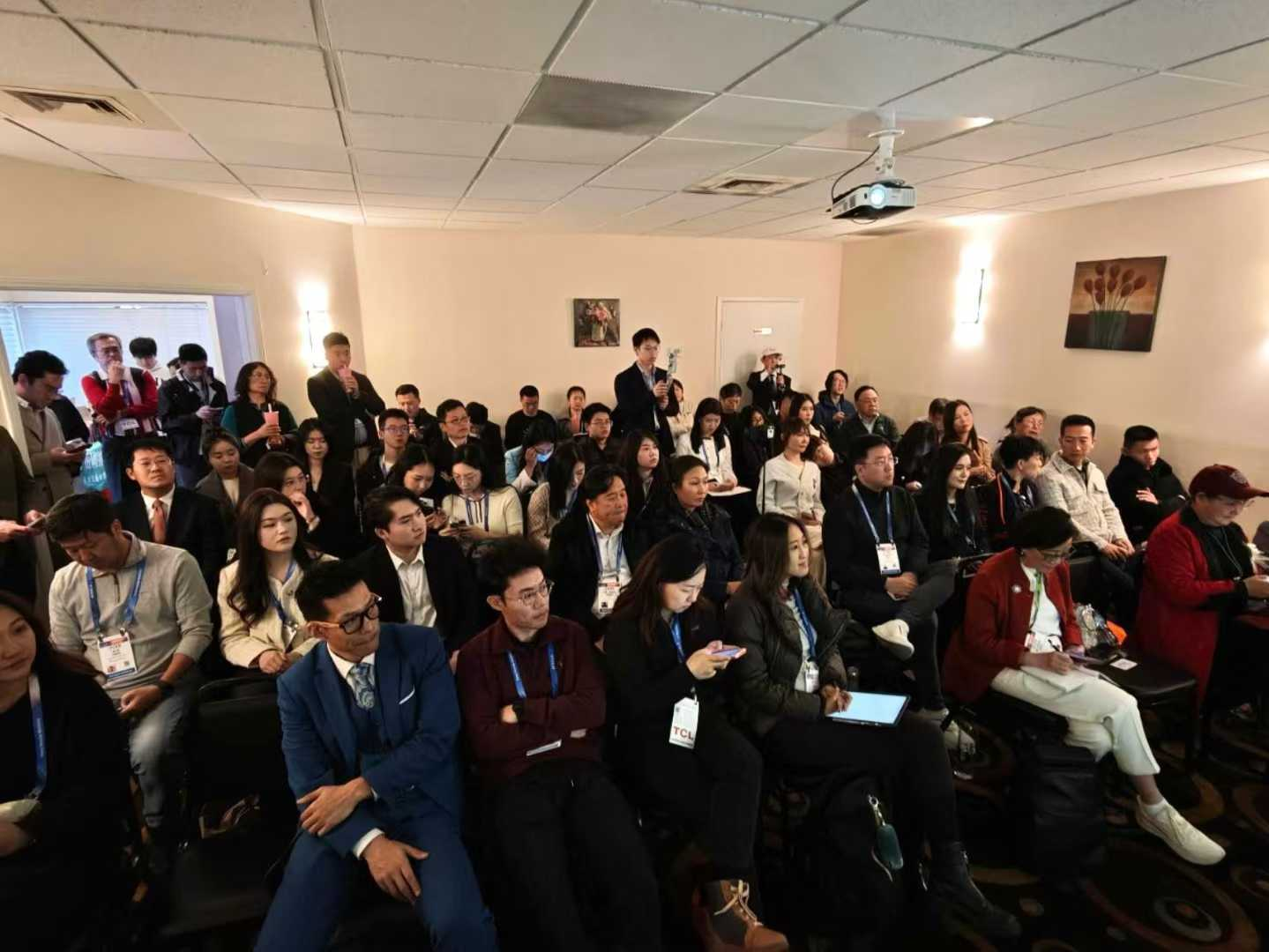
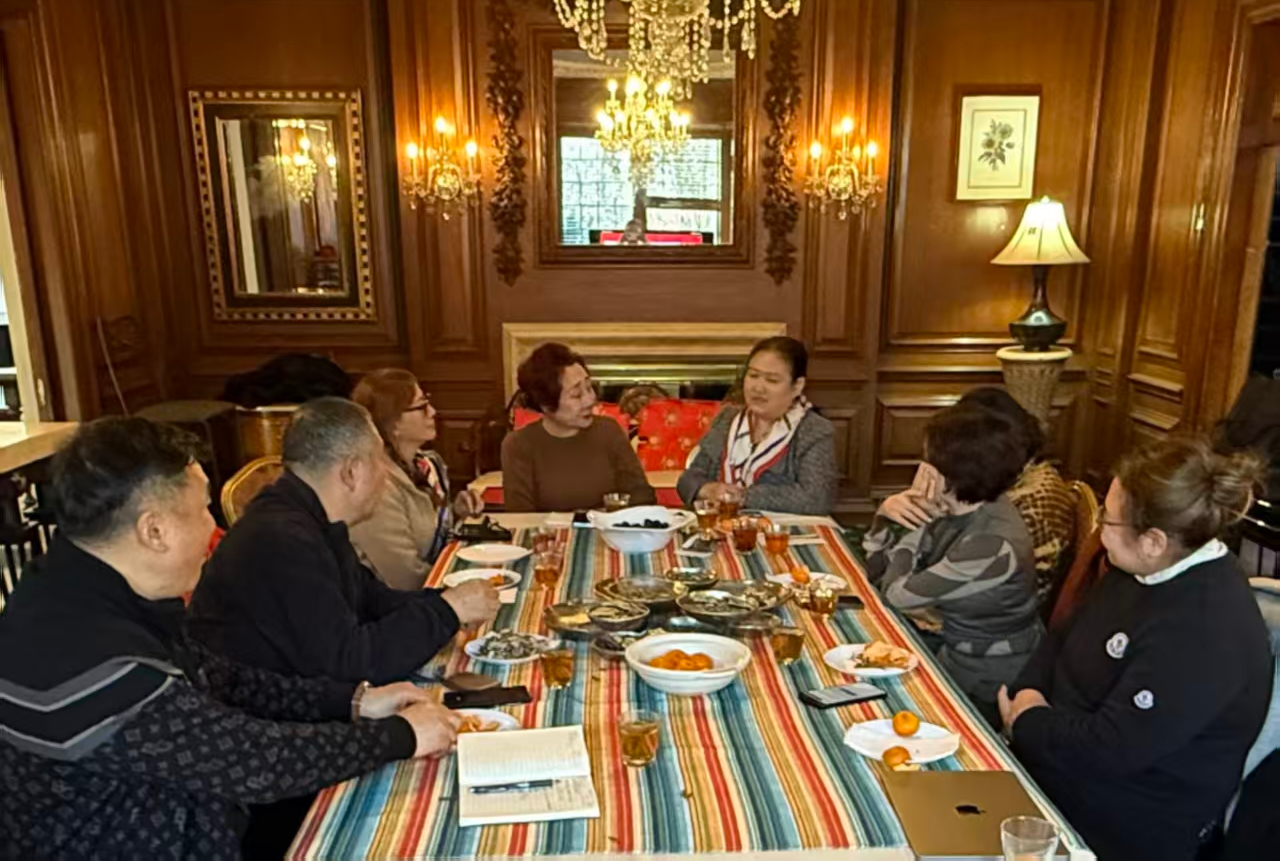
At a December session of the Global CEO Program hosted by Boston International Business School, Song Zhiping, Chairwoman of Jilin Cornel Group, spoke candidly about her journey—one marked by ambitious expansion, near-bankruptcy, crushing debt, litigation, and eventual recovery through strategic recalibration.
Her story is not a case study in luck. It is a study in survival under pressure. 
⸻
- From Firewood Stacks to Global Acquisitions
Song Zhiping’s defining trait is not charisma, but resolve.
She was born into a rural family with no inherited capital, elite education, or institutional backing. What she did have was a deeply ingrained refusal to accept second place. She recalls a childhood memory that still shapes her mindset: every winter, families in her mountain village stacked firewood outside their homes. If she saw a neighbor’s stack higher than her own, she would climb up and add more logs—simply to prove she could.
That instinct carried into adulthood. In the 1990s, she entered the chemical industry—an arena defined by explosion risks, environmental hazards, regulatory pressure, and multi-billion-yuan capital requirements. Song did not manage from a distance. She immersed herself in operations, studying equipment, supervising plants, and mastering every process on the factory floor.
Within five years, her team increased annual aniline production to 360,000 tons, surpassing DuPont’s then-leading capacity of 280,000 tons. Cornel Group became a global leader in aniline manufacturing.
But scale alone was not enough. Aniline production yielded thin margins—roughly 1,000 RMB per ton. To gain pricing power, Song recognized the need to move downstream into higher–value-added polyurethane products.
That path, however, was effectively closed. Only five companies worldwide controlled the core technology, including a Swedish chemical firm that refused to sell—explicitly stating the technology would “never be sold to the Chinese.”
Song’s response was direct: then I will buy your company.
The proposal was dismissed as fantasy. A Chinese female entrepreneur acquiring a European chemical firm was not taken seriously. Meetings were declined; even shared meals were avoided.
Over the next two years, Song traveled to Sweden fifteen times. Where doors were closed, she persisted. Where she was dismissed, she returned with data, operational credibility, and patience. Eventually, she completed a full acquisition for over $100 million—securing the technology and extending Chinese industrial presence into the global chemical value chain.
There was no shortcut. Only persistence.
⸻
- Collapse, Constraint, and Strategic Rebirth
If her rise was demanding, her fall was nearly fatal.
In 2017, aligned with China’s national strategy to strengthen industrial supply chains, Song invested 4.5 billion RMB into a methanol-to-olefins (MTO) project—her most ambitious undertaking. Less than a year after launch, a downstream partner abruptly halted operations, cutting off ethylene offtake and forcing the entire system to shut down.
Revenue stopped. Costs did not.
Annual interest payments reached 400 million RMB. Debt compounded rapidly. Song herself was placed under court-imposed “high consumption restrictions”—unable to fly, take high-speed rail, or stay in standard hotels. Business travel became nearly impossible.
She described standing in front of the silent steel plant she had built piece by piece, unable to sleep without medication. “That period,” she said, “felt worse than death.”
Yet she did not abandon the project. Instead, she reassessed what remained.
Two assets stood out: a fully built, modern chemical facility, and government-issued green electricity quotas—resources increasingly valuable to state-owned enterprises pursuing carbon reduction goals.
Song reframed the problem. Rather than seeking rescue, she proposed partnership: state-owned enterprises would contribute capital and access to low-interest policy loans; Cornel Group would contribute assets, operations, and deep project knowledge.
The match was precise. SOEs had capital and policy alignment but lacked industrial scenarios capable of absorbing green power at scale. Song’s plant filled that gap.
The result was debt restructuring, project reactivation, and institutional survival.
Her lesson was stark: If strategy is right, failure is temporary. If strategy is wrong, success is accidental.
⸻
- Discipline Over Sentiment: Leadership Under Risk
Song’s management philosophy is defined by clarity at the boundary between empathy and discipline.
Top technical talent in chemicals is scarce, and she spared no expense recruiting it—competitive salaries, housing support, family relocation, even purchasing apartments so executives could settle without distraction.
She cared deeply for her employees. But she cared more deeply about safety.
In chemical plants, a single cigarette can be catastrophic. Song established designated smoking zones outside facilities and codified penalties clearly: first violation meant full loss of monthly pay and bonuses; second violation meant termination.
When a senior technical executive—whom she had personally recruited and supported—shielded a repeat offender out of sympathy, Song acted decisively. Despite the employee’s hardship, despite the executive’s value, she dismissed him on the spot.
Her reasoning was uncompromising: compassion that undermines safety puts hundreds of lives at risk. In high-risk industries, systems must be stronger than sentiment.
Leadership, she argued, is often about having the courage to enforce rules even when it hurts.
⸻
- Beyond Profit: Responsibility as a Measure of Success
For Song, success has never been defined solely by revenue.
As early as 1986, she established adult education programs for factory workers—many of whom worked by day and studied by night. Over decades, thousands gained literacy and skills through these programs.
In 2014, she donated 100 million RMB to Jilin University to build a modern sports complex, later named the Song Zhiping Gymnasium. Quietly, she has funded the education of more than 1,600 underprivileged students and contributed over 120 million RMB to public welfare initiatives in her hometown.
Her belief is consistent: wealth must carry responsibility.
More recently, she has turned her attention to leadership education—supporting business schools to cultivate leaders who can endure failure, manage complexity, and balance personal ambition with social obligation.
“I don’t believe in luck,” she said. “I believe in education.”
⸻
Conclusion: Endurance as a Form of Leadership
Song Zhiping’s life is not a narrative of effortless ascent. It is a record of choices made under pressure—choosing discipline over comfort, strategy over emotion, and long-term responsibility over short-term gain.
From rural firewood stacks to global acquisitions, from debt collapse to strategic revival, from industrial leadership to educational philanthropy, her journey offers a rare perspective on what it takes to survive—and lead—in unforgiving environments.
Greatness, her story suggests, is not inherited. It is forged through decisions made when retreat would be easier.